
How much alcohol is too much?

alcohol-weight-loss-1

Have you ever thought about the effects of alcohol on your health?

For many of us alcohol is a part of our lives. We drink it when we socialise with friends, we consume it when we want to celebrate a special occasion and we drown our sorrows in it during difficult times.

Alcohol in moderation is fine and can actually have some health benefits. Certain varieties of red wine have been shown to contain the anti-oxidants resveratrol and catechins that may help protect artery walls. Alcohol can also boost HDL, the good cholesterol.

In very small amounts alcohol can be used as a relaxant but this isn’t encouraged.

Very often however alcohol is consumed in quantities that will do anything but make us healthy. The long-term effects of alcohol can have a huge impact on our health and wellbeing. Not only are we at increased risk of accidents and injury when we consume alcohol, prolonged consumption of excess alcohol can lead to weight gain, liver disease and a plethora of other serious ailments.

How many units can I drink?

The recommended daily and weekly intake of alcohol is different for men and women.

Women should not drink more than 2-3 units per day while men should drink no more than 3-4 units per day. It is also important to have alcohol free days to allow your body and liver to rest.

Regular alcohol use at levels greater than this can lead to long-term health risks.

Does alcohol contain any calories?

The answer is YES!

Many of us will diligently follow diet plans and fads in the hope of losing weight but will fail to take into account the amount of alcohol we consume.

A glass of wine is equivalent in calories to a packet of crisps. If you think about the amount of alcohol you consume over the course of a month, this can add a few more inches to your waistline.

Also, one of the short-term effects of alcohol intake is the dreaded hangover.

Hangover cures often involve the consumption of hundreds of calories in the form of high-fat breakfasts, milkshakes, and junk food, all adding to the calorific effect of alcohol consumption.

Tips to avoid drinking too much

  • In between drinking an alcoholic drink why not have something alcohol free? There are lots of premium soft and sparkling water drinks available that can be a welcome interlude from alcohol. This allows you to reduce the number of units you consume and you’ll appreciate this the next day.
  • Why not add some tonic water or lemonade to your wine or beer to create a wine spritzer or shandy? This way you will drink half as much as you normally would.
  • Go for low alcohol content drinks, avoid strong beers and wines as these will make you reach your units limit faster.
  • How about organising a social event with friends, which doesn’t involve alcohol? That way you will all have a chance to catch up properly and the next day you’ll remember all the funny stories and anecdotes.
  • If you will be drinking, try having it with a meal or after food. This way the alcohol will take longer to have its effect and you won’t drink as much.
7 ways to reduce your stress levels

6565907_s

Stress can have a major impact on your health. It can affect your concentration and mood. It can make you react in ways you normally wouldn’t and it can make you feel anxious and nervous. Stress can also affect us physically, causing us to feel tired and develop aches and pains. Dealing with stress is very important to our long-term health, but often people resort to alcohol, drugs or junk food. Not only does this have a negative impact on our health, it can also make the situation a lot worse. There are much better ways to deal with stress…

1. Learn to be happy in your situation – Many people become stressed because of the lifestyle situation they find themselves in. They may be unhappy in their job or relationship and may feel that they are missing out on something. Learning to accept how things are is one of the best ways to start dealing with stress. Once you are content, you can focus on being happy.

2. Surround yourself with close friends and family – Having a support network around you that has your best interests at heart is very important if you’re feeling stressed. Knowing that others are there to support you really does help you to see things in a different light.

3. Get out and exercise – As mentioned earlier, exercise is a great stress-reliever. Exercise makes the body release ‘feel-good’ endorphins that can dramatically reduce stress. Make exercise a part of your day-to-day life and your stress will vanish.

4. Watch what you eat – The food we put into our body can affect our mood and our response to stress. Make sure you eat a well-balanced diet, low in junk food and high in nutritious fruit and vegetables. Eating healthily means you maintain a healthy weight and your body and organs function at their best, helping you feel better and more relaxed.

5. Take time out for yourself – During stressful periods it’s important to find time to rest and relax. Dance around to your favourite music or have a bath with some luxury bubble bath. Whatever it takes to forget your worries!

6. Write down your worries – People who are stressed often feel that they can’t ‘turn off’. If this sounds familiar, try writing down what is stressing you out. Just seeing it on paper sometimes reveals new ways of dealing with it. At the very least, it might clear your head.

7. Do something for others – Focusing on something other than yourself can sometimes help you feel less stressed.Try doing voluntary work or helping a friend in need.

Six Ways to beat cold and flu this winter

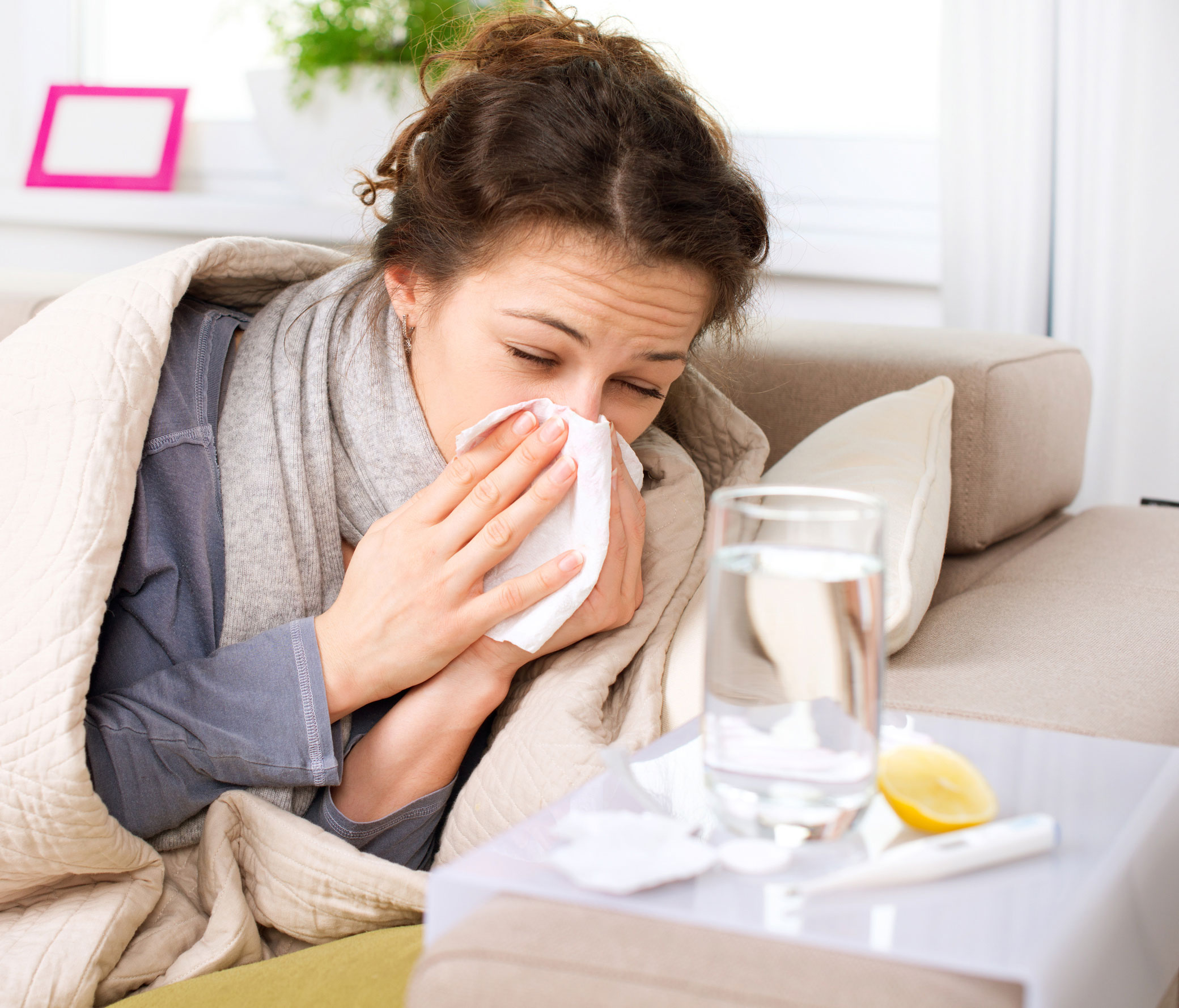
cold_flu

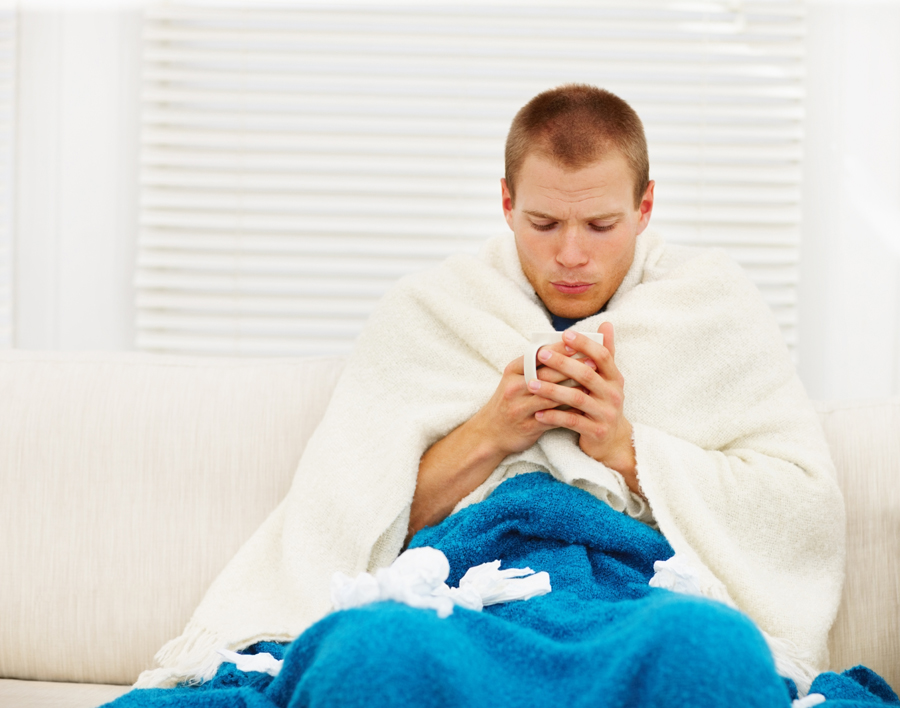
The days are shorter and darker, the weather is wet and cold and many of us will be susceptible to the cold and flu. So what can we do to beat the flu this winter?

1. Vitamins and minerals

Vitamin C and zinc have been proven to help your body strengthen its defence mechanisms to fight off the bacteria and viruses that can cause colds and the flu.
If you have a well balanced diet full of fresh fruit and vegetables you will really support your body to fight off illness. If, however, you find that getting your five a day isn’t possible why not try vitamin supplements. These are available as tablets, effervescent tablets or liquids.

2. Get the flu Vaccine

The flu vaccine is particularly important for certain more vulnerable groups. People who should get the flu vaccine include the elderly, those people with a pre-existing illness and pregnant women. There is a myth that the flu vaccine can cause the flu. This isn’t possible so don’t let it put you off. You’ll be thankful you had the vaccine when you keep well through the winter months.

3. Cover your mouth and nose

If you do develop a cough or a sniffle, think of those around you. Use a clean disposable tissue and throw this away immediately after using. A simple act of covering your cough or sneeze can prevent the cold being spread to those close to you.

4. Wash your hands thoroughly

After sneezing or coughing it’s important to wash your hands thoroughly using soap and warm water to ensure you get rid of all the germs that may have deposited. Carry alcohol wipes or gels to use when it isn’t possible to wash your hands properly. Also, wash your hands after shaking hands with strangers, as you cannot be sure what germs they may have.

5. Quit smoking

Smoking changes the lining of the airways so smokers are more susceptible to developing a cold or flu. It can also weaken the defence mechanisms your body uses to fight off infection making you more susceptible to ill health.

6. Get a good night sleep

Rest is essential as it allows your body to develop a strong defence system. Getting eight hours sleep a night will keep your body fighting fit and ready to protect you from illness. Read our article on how to sleep like a baby.

Winter Health

4_065_ColdFluRescue

As we move into the colder winter months the incidence of the cold and flu will increase. For many this will mean a few days of bed rest but for the elderly and those with other medical conditions it can have much more serious consequences.

So, how do you know if you have a cold or the flu?

The symptoms of a cold are similar to that of the flu, although anyone suffering from the flu will find that these symptoms are more severe. Many people can go about their day-to-day activities if they just have a cold. Those who have the flu will be bedridden and won’t be able to leave the house; such is the impact that the flu has on the body.

What symptoms will you notice with a cold or the flu?

As mentioned, the symptoms of a cold and the flu are similar and include:

  • Chesty (productive) or dry (tickly) cough
  • Stuffy, congested nose
  • Aches and pains
  • Lethargy

How can you avoid a cold or the flu?

Vitamins and minerals can have some benefit in speeding up your recovery from a cold or the flu. Vitamin C and zinc have been shown to slightly reduce the severity of a cold but will not cure it.

Flu vaccine

The flu vaccine is recommended for anyone over 65 years of age, those with other medical conditions and pregnant women. The reason the flu vaccine is effective is because it introduces a small amount of an inactivated virus into your body, which then allows your body to recognize and fight the flu virus if you become infected again. The flu vaccine doesn’t cause the flu but you may experience a slight increase in temperature and have a few aches after having the vaccine but these are only very short term.

What if you do get a cold?

If you still manage to get a cold there are a number of things you can do to treat the symptoms. Some of these include:

Chesty cough – try an expectorant cough bottle e.g. something containing guaifenesin

Dry cough – a cough suppressant e.g. pholcodine, is usually effective

Stuffy, congested nose – try a decongestant tablet containing pseudoephedrine or a nasal spray containing xylometazoline

Aches and pains – paracetamol is effective for treating aches and pains and reducing temperature. Ibuprofen is good for any inflammatory or muscular pain.

Many of the over-the-counter pharmacy medicines used to treat cold and flu symptoms are not suitable for those people with medical conditions such as diabetes and high blood pressure so always ask your pharmacist for advice if you are taking other medications.

8 ways to eat better

HE_fruits-vegetables-heart-shape_s4x3_lead Knowing what foods to eat to support your health is an essential part of living a long and happy life. We live in a world of convenience, filled with fast food restaurants and junk food. It often seems like the easiest option is to reach for the high-fat snacks, but have you thought about what this could be doing to your wellbeing? What we eat can affect how we look and feel – and many junk foods have been linked to serious illnesses. Being conscious of what we are eating can make a massive difference to our long-term health. So, how can you get the most from your food?

1. Go organic – To avoid harmful chemicals and hormones, you should choose organic varieties of foods. Organic food supports your health. As it becomes more popular, it is also becoming more affordable.

2. Organise a meal plan – Planning ahead is planning to succeed. Just take a little time each week to plan your meals. This way you only buy the food you need and can plan healthy meals in advance.

3. Choose fish – Fish is a great low-fat, high-protein food choice. You should aim to eat fish three or four times per week if possible. Fish oils have also been linked to increased brain function, a healthy heart and supple joints.

4. Choose wholegrain – Wholegrain varieties of popular food items, including breads and pastas, can help put off hunger for longer as they help to keep us feeling full. They also ensure we don’t have the sugar spikes that can result from the refined alternative.

5. Cut out the salt – Salt is packed into so many foods nowadays that it’s easy to exceed the recommended daily amount. This can have a huge impact on our blood pressure, possibly leading to heart disease.

6. Get your five-a-day – Eating your five-a-day of fruit and vegetables will ensure you get all the essential vitamins and minerals your body needs to function at its best. Try to vary the fruit and veg that you eat so that you get a wide range of different vitamins.

7. Explore supplements – Sometimes it isn’t always possible to get all the vitamins you need through diet alone. Vitamin supplements can also support a healthy lifestyle. Consult a diet expert to find out what vitamins you are lacking and what support you may need.

8.Eat your breakfast – Evidence suggests that people who eat a balanced breakfast are less likely to over- eat throughout the rest of the day. So start the day with a healthy breakfast like porridge with honey, or scrambled egg on whole-grain toast. Be prepared – One of the best ways to avoid snacking is to keep a selection of fruit and nuts in your bag for whenever hunger strikes.

How much sugar is too much?

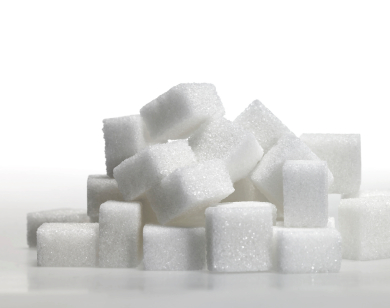
sugar2

Anyone who knows me will know that I have a massive sweet tooth!

I’m a particular fan of mints and chocolate but have a soft spot for those really tangy, sour jelly sweets too! As much as I love these sweet treats I am fully aware that they can’t be good for me in the long run. Too much sugar has been linked to the growing obesity epidemic as well as many health conditions like diabetes and dental decay.

Obesity4354-5741334

And I’m not the only one to worry about my sugar habit.

On the 5th March 2014, the World Health Organisation (WHO) launched a public consultation so that it could review its guidelines on sugar intake.

Sugar is also a “hidden ingredient” in lots of foods and drinks so we may be consuming even more than we think.

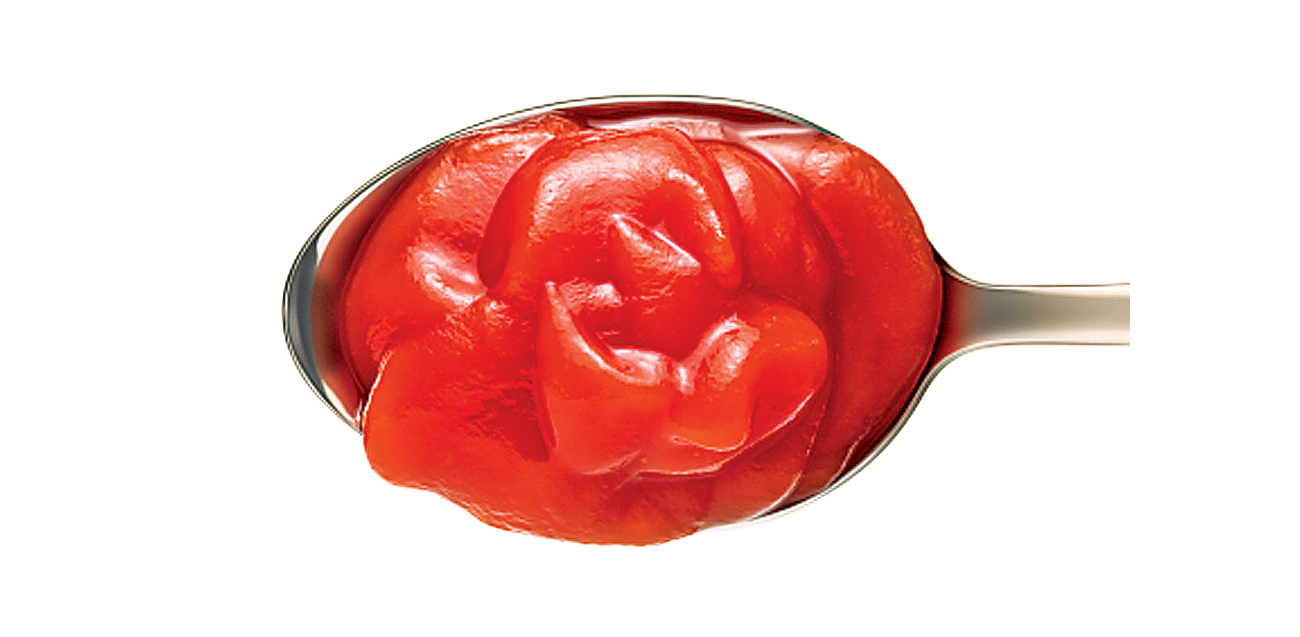
ketchup

Did you know that 1 tablespoon of tomato ketchup contains 4-grams of sugar? Or that many of the fruit juices we might assume are healthy are also packed full of sugar?

In 2002, the WHO recommended that, “sugars should make up less than 10% of total energy intake per day.” In this latest consultation they are suggesting that reducing our sugar intake to less than 5% of total energy intake per day “would have additional benefits.”

It is hoped that these new guidelines will encourage food manufacturers to reduce the amount of sugar they use in their products and will also mean that nutritional labels will have to be clearer about the amount of sugar present.

Here are my 5 tips to help you start reducing your sugar intake today:

1. Make sure you have breakfast

Eating a healthy breakfast everyday will help to prevent sugar cravings later in the day. Opt for porridge or whole meal toast with poached egg to satisfy your hunger.

2. Avoid having sugary snacks at home

When it comes to sweets if they are in sight then I will eat them! I have found that the best way to reduce my sugar intake is to avoid keeping sweet treats at home. It makes it easier to avoid temptation.

3. Eat foods with a low glycemic index

Low GI foods release energy over a longer period of time so you won’t experience those sugar highs and lows. Nuts and raisins, apples and pears all have a low GI so are a good choice for snacking on.

4. Cook from scratch avoiding processed foods

If you cook using fresh ingredients then you know exactly how much sugar is in the food you are eating. Processed foods and ready meals are packed full of hidden sugar so are best avoided.

5. Cut out the fizzy drinks

Lots of fizzy drinks are loaded with sugar. Try replacing fizzy drinks with sparkling water and a slice of lemon.

The 8 quickest way to get into the exercise habit

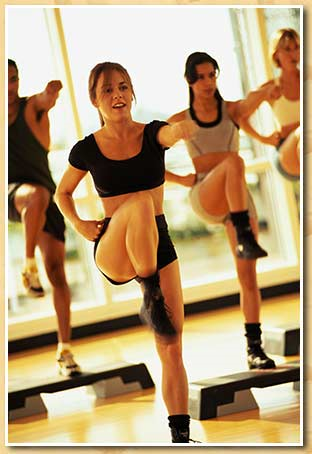
untitled

As well as being a great way to stay fit and healthy, exercise also has many other benefits, both mental and physical. Burning off those excess calories by going for a run or a dance or heading to the gym can help you to look and feel better. You may find it easier to relax and you may sleep better at night.

With so many positive benefits it seems strange that we all find it so hard to keep motivated with our fitness goals. We often have many excuses for not exercising and it is often the easier choice to sit in and watch TV than to go out and release those feel good endorphins.

So how can you get into the exercise habit?

1. Exercise with friends – not only is this a great way to get fit, it’s also a great opportunity to catch up with your friends and hear all their news. Keeping fit with a friend also means that you’re not just accountable to yourself. If you don’t exercise you’re not only letting down yourself, you’re letting down your friend too.

2. Vary the exercises that you do – In order to maintain a regular exercise routine you need to make it fun and enjoyable. One way to do this is to vary the types of exercises that you do. You could go to a dance class on a Monday, a spinning class on a Tuesday, a run with a friend on a Wednesday and swimming on a Thursday. Keep things fresh and do what you enjoy most.

3. Make exercise an important part of your life – Try telling yourself that doing exercise is part of your job or part of your day-to-day routine. This way you won’t avoid doing it and will keep a commitment to yourself. If ‘better offers’ come up, remember what your priorities are.

4. Develop a fitness plan – With the help of a personal trainer or health and fitness expert, develop an exercise plan for yourself that helps you achieve your health goals. Having a plan is also a great way to keep on track of your progress.

5. Set yourself fitness goals – Setting yourself a fitness challenge, such as competing in a 10k running race or doing a triathlon, can help to give you focus when you exercise. Knowing that you have a deadline to be fit is a great motivator and one that keeps many people on track with their fitness regimes.

6. Tell people about your fitness goals – By telling others about your fitness goals you are putting pressure on yourself to continue to train hard. Knowing that other people will now have an expectation of you will help to motivate you!

7. Exercise at a time that suits you best – there’s no point deciding to exercise first thing in the morning before work if you know you are a night owl. For some exercising before work keeps them focused all day, for others an after work gym session helps them forget about the stresses of the day.

8. Focus on your achievements and successes – when you do achieve something you are proud of, it’s important to make it a big deal and to realize how far you’ve come. Use it as a further motivator for your next fitness challenge.

Try some of these tips to get yourself fit again and soon you will be enjoying the benefits of being active like looking good and feeling great.

Hay Fever

hayfever

As the summer months approach many of us will be looking forward to enjoying the longer evenings and (slightly) warmer weather. There are many people, however, who find these months a misery as they are plagued by the symptoms of hay fever.

What exactly is hay fever?

Hay fever is caused by an allergy to pollen released by plants. The pollen count is particularly high during the late spring and the summer months and this is when most sufferers notice their symptoms.

Your body responds to the allergen by releasing a chemical called histamine. This causes the symptoms that most hay fever suffers notice. Some people suffer from these symptoms throughout the year and this is termed perennial allergic rhinitis. House dust mites or family pets often cause it.

What are the symptoms of hay fever?

People who suffer from hay fever will experience symptoms including a runny nose, watery and itchy eyes and an increase in mucous production. Each sufferer will experience differing levels of these symptoms.

What treatment options are available?

dscuk890732000_72656644

The main treatment options for hay fever include antihistamine tablets, anti-allergy eye drops containing sodium cromoglicate and steroid nasal sprays.

  • Antihistamines: Common antihistamines include the non-drowsy options cetirizine and loratadine and those that cause drowsiness including chlorphenamine.
  • Sodium cromoglicate is an ingredient found in anti-allergy eye drops, it helps to stop watery and itchy eyes associated with hay fever.
  • Steroid nasal sprays are effective at stopping the runny nose symptoms of hay fever. These sprays should be used just before and throughout the hay fever season and are suitable for those over 18 years of age.

How to prevent the symptoms of hay fever

 The best way to prevent the symptoms of hay fever is to avoid the main allergen, pollen. To do this you should:

  • Avoid grassy areas in the early morning and early evening when the pollen count is highest.
  • Keep windows closed
  • Use products like Hayleve to minimise the adherence of pollen to the nasal passage.
  • Try a product called Prevalin, which claims to de-activate the pollen before it has a chance to trigger an allergic response. It is suitable for pregnant women, those who breastfeed and for children over 6 years of age.

private_hayfever_injection

Changes to alcohol unit guidelines in the UK – January 2016

Video

Changes to alcohol unit guidelines in the UK
January 2016

You may have heard the news recently that the UK government has made changes to the advice it gives on drinking alcohol.

Whereas before men were advised that they could drink more alcohol than women (21 units for men, 14 units for women), this has now changed. Men and women are now advised that they should each drink a maximum of 14 units of alcohol per week.

In addition, the guidelines suggest that these units should be spread across at least 3 or more days per week and that you should include regular alcohol-free days

Binge drinking is also not advised; it has been associated with a greater risk of short term health problems, like the dreaded hangover, as well as the longer term risks of causing certain cancers.

For pregnant women the advice is not to drink alcohol at all.

Some tips on keeping on top of your alcohol:

• When drinking, try to do so with a meal
• Have a glass of water or a soft drink in between alcoholic drinks
• Try some alcohol-free alternatives

Further reading

The drinkaware fact sheet about the new alcohol unit guidelines:
https://www.drinkaware.co.uk/check-the-facts/what-is-alcohol/new-government-alcohol-unit-guidelines#guidelines

The drink aware App can help you to keep track of your drinking: https://www.drinkaware.co.uk/app

How to calculate a unit of alcohol
http://www.nhs.uk/Livewell/alcohol/Pages/alcohol-units.aspx

Government link to new alcohol guidelines:
https://www.gov.uk/government/news/new-alcohol-guidelines-show-increased-risk-of-cancer

BBC news article on the new alcohol guidelines:
http://www.bbc.co.uk/news/uk-35252650

NHS guidance on new alcohol guidelines and how to manage your drinking:
http://www.nhs.uk/news/2016/01January/Pages/New-alcohol-advice-issued.aspx

UK Chief Medical Officer, Summary of proposed guidelines:

Click to access summary.pdf