
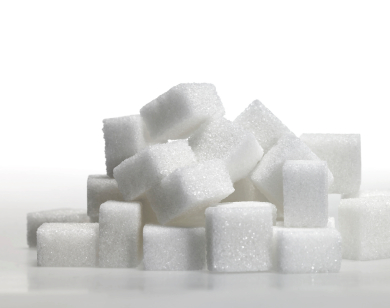
Anyone who knows me will know that I have a massive sweet tooth!
I’m a particular fan of mints and chocolate but have a soft spot for those really tangy, sour jelly sweets too! As much as I love these sweet treats I am fully aware that they can’t be good for me in the long run. Too much sugar has been linked to the growing obesity epidemic as well as many health conditions like diabetes and dental decay.

And I’m not the only one to worry about my sugar habit.
On the 5th March 2014, the World Health Organisation (WHO) launched a public consultation so that it could review its guidelines on sugar intake.
Sugar is also a “hidden ingredient” in lots of foods and drinks so we may be consuming even more than we think.
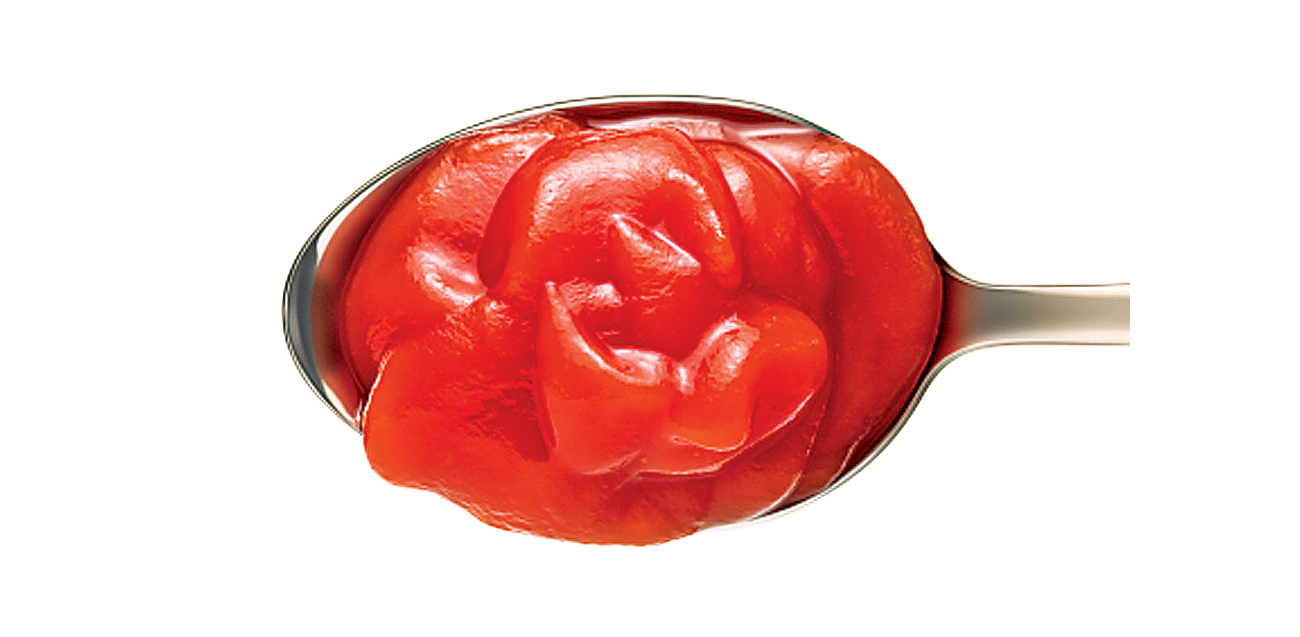
Did you know that 1 tablespoon of tomato ketchup contains 4-grams of sugar? Or that many of the fruit juices we might assume are healthy are also packed full of sugar?
In 2002, the WHO recommended that, “sugars should make up less than 10% of total energy intake per day.” In this latest consultation they are suggesting that reducing our sugar intake to less than 5% of total energy intake per day “would have additional benefits.”
It is hoped that these new guidelines will encourage food manufacturers to reduce the amount of sugar they use in their products and will also mean that nutritional labels will have to be clearer about the amount of sugar present.
Here are my 5 tips to help you start reducing your sugar intake today:
1. Make sure you have breakfast
Eating a healthy breakfast everyday will help to prevent sugar cravings later in the day. Opt for porridge or whole meal toast with poached egg to satisfy your hunger.
2. Avoid having sugary snacks at home
When it comes to sweets if they are in sight then I will eat them! I have found that the best way to reduce my sugar intake is to avoid keeping sweet treats at home. It makes it easier to avoid temptation.
3. Eat foods with a low glycemic index
Low GI foods release energy over a longer period of time so you won’t experience those sugar highs and lows. Nuts and raisins, apples and pears all have a low GI so are a good choice for snacking on.
4. Cook from scratch avoiding processed foods
If you cook using fresh ingredients then you know exactly how much sugar is in the food you are eating. Processed foods and ready meals are packed full of hidden sugar so are best avoided.
5. Cut out the fizzy drinks
Lots of fizzy drinks are loaded with sugar. Try replacing fizzy drinks with sparkling water and a slice of lemon.
 Dr Philip Crilly