
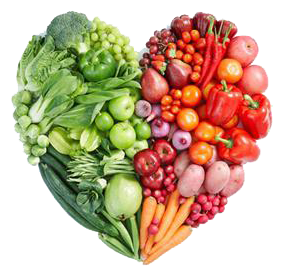
 Knowing what foods to eat to support your health is an essential part of living a long and happy life. We live in a world of convenience, filled with fast food restaurants and junk food. It often seems like the easiest option is to reach for the high-fat snacks, but have you thought about what this could be doing to your wellbeing? What we eat can affect how we look and feel – and many junk foods have been linked to serious illnesses. Being conscious of what we are eating can make a massive difference to our long-term health. So, how can you get the most from your food?
1. Go organic – To avoid harmful chemicals and hormones, you should choose organic varieties of foods. Organic food supports your health. As it becomes more popular, it is also becoming more affordable.
2. Organise a meal plan – Planning ahead is planning to succeed. Just take a little time each week to plan your meals. This way you only buy the food you need and can plan healthy meals in advance.
3. Choose fish – Fish is a great low-fat, high-protein food choice. You should aim to eat fish three or four times per week if possible. Fish oils have also been linked to increased brain function, a healthy heart and supple joints.
4. Choose wholegrain – Wholegrain varieties of popular food items, including breads and pastas, can help put off hunger for longer as they help to keep us feeling full. They also ensure we don’t have the sugar spikes that can result from the refined alternative.
5. Cut out the salt – Salt is packed into so many foods nowadays that it’s easy to exceed the recommended daily amount. This can have a huge impact on our blood pressure, possibly leading to heart disease.
6. Get your five-a-day – Eating your five-a-day of fruit and vegetables will ensure you get all the essential vitamins and minerals your body needs to function at its best. Try to vary the fruit and veg that you eat so that you get a wide range of different vitamins.
7. Explore supplements – Sometimes it isn’t always possible to get all the vitamins you need through diet alone. Vitamin supplements can also support a healthy lifestyle. Consult a diet expert to find out what vitamins you are lacking and what support you may need.
8.Eat your breakfast – Evidence suggests that people who eat a balanced breakfast are less likely to over- eat throughout the rest of the day. So start the day with a healthy breakfast like porridge with honey, or scrambled egg on whole-grain toast. Be prepared – One of the best ways to avoid snacking is to keep a selection of fruit and nuts in your bag for whenever hunger strikes.

 Dr Philip Crilly