
Matthew Perry died of ‘acute effects of ketamine’ – what you need to know about the drug

Matthew Perry. s_bukley/Shutterstock

Philip Crilly, Kingston University

Millions of people worldwide were left devastated by the death this year of 54-year-old Matthew Perry, the Friends star famous for bringing wise-cracking Chandler Bing to life. A global superstar, recently sober with an autobiography on the bestseller lists, it looked like his troubled past was behind him. So the world was especially shocked and saddened to learn of his untimely death by apparent drowning.

This week, medical officials in Los Angeles, have confirmed that his drowning was more complex than initially suspected. Toxicology reports have indicated that two drugs were in Perry’s system at the time of his death. These were buprenorphine, a drug used to treat opioid drug addiction, and ketamine, sometimes referred to as special K or horse tranquilliser.

Given Perry’s well-documented addiction issues to opioid painkillers, his use of buprenorphine was not a surprise. But why was he taking ketamine?

Ketamine works by acting on receptors in the brain and, since its synthesis in the 1960s, has been used in veterinary medicine and also as a surgical anaesthetic in humans.
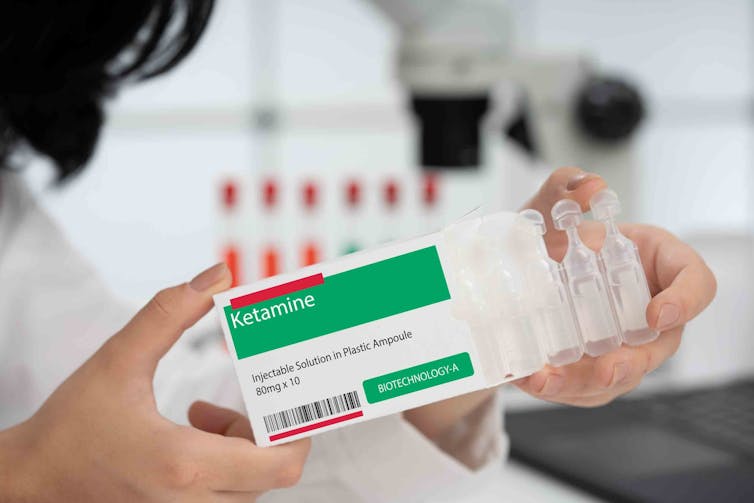
Medical person holding ampoules of ketamine
Ketamine is used as an anaesthetic in humans. luchschenF/Shutterstock

Following signs that ketamine might affect user mood, it was investigated for its potential role in treating depression and anxiety. Today, users can be prescribed ketamine for these conditions, but usually only after other antidepressant and anti-anxiety medications have failed.

The medical officer in LA specified that Perry was being legally prescribed infusions of ketamine to treat depression and anxiety. They did note, however, that given the time since his last dose, it was unlikely that the ketamine in his bloodstream was from his prescribed infusions. No other reason was offered as to why he would have had ketamine in his system so close to the time of his death.

In addition to finding drugs in his body, Perry was also listed as having heart disease. Ketamine can cause an increase in blood pressure and heart rate, so it is not surprising to hear from the medical examiner that: “At the high levels of ketamine found in his post-mortem blood specimens, the main lethal effects would be from both cardiovascular overstimulation and respiratory depression.”

Another contributing factor to Perry’s death was listed as drowning. So does ketamine make drowning more likely?

Ketamine can cause users to have issues with coordination, and they may feel disorientated. The combination of these effects while in water, can make a person’s reactions slower, putting them at risk of harm, so ketamine certainly could make drowning more likely.

Also, taking ketamine with other substances, like alcohol, can increase the risk of drowsiness. While Perry had a much-publicised issue with alcohol, his toxicology report indicated no alcohol in his system at the time of his death.

Not the first

Sadly, Perry is not the first Hollywood star to die by drowning under the influence of drugs. In 2012, global star Whitney Houston died in a bathtub after consuming marijuana, cocaine, and the benzodiazepine known as alprazolam (Xanax).

These stories remind us all of the dangers of substance abuse and the importance of seeking professional help for addiction issues.

Matthew Perry was a vocal advocate for more addiction support services, and since his death the Matthew Perry Foundation has been set up to help those struggling with the disease of addiction.

Perry said: “When I die, I don’t want Friends to be the first thing that’s mentioned, I want helping others to be the first thing that’s mentioned. And I’m going to live the rest of my life proving that.”

In the last years of his life, he did just that. But sadly, it seems that it will be in death that he will have the biggest impact on helping others to overcome their demons.

Philip Crilly, Senior Lecturer in Pharmacy Practice and Digital Public Health, Kingston University

This article is republished from The Conversation under a Creative Commons license. Read the original article.


Harold Shipman was arrested a quarter of a century ago, but we still have problems with prescribing controlled drugs

Oleg Troino/Shutterstock

Philip Crilly, Kingston University

Catherine Hudson drugged two patients on the stroke ward of Blackpool Victoria Hospital to give herself an easier life. She has been jailed for seven years and two months. Her colleague, Charlotte Wilmot, who conspired with her to drug a third patient, was given a three-year jail term.

The trial highlighted the easy access staff had to controlled drugs. The drug regimen on the stroke ward was described during the trial as “dysfunctional”. But why is this still happening? Wasn’t it all meant to have been sorted following the Shipman Inquiry?

Harold Shipman, a seemingly mild-mannered family doctor, was responsible for the deaths of over 200 of his patients over 23 years. The true horrors of his actions started to slowly unravel in September 1998 when he was arrested for the murder of one of his patients, 81-year-old Kathleen Grundy.

It was the vigilance of Grundy’s daughter, Angela Woodruff, that would set in motion a series of events that would ultimately bring an end to Shipman’s long-running killing spree that began in the 1970s. Until that point, he had been able to kill his patients undetected by being careful to cover up his tracks.

There was a collective denial by the British public that a family doctor could have harmed one of his patients, let alone many of them. Yet, at the conclusion of his murder trial in January 2000, Shipman was found guilty of the murder of 15 of his patients. The true number of his victims, however, is believed to be 215.

Most of the victims were elderly women and Shipman’s weapons of choice were the controlled drugs, diamorphine, morphine and pethidine – strong opioid painkillers.

Controlled drugs are those deemed by governments to pose a high risk to the public due to being addictive or harmful. Shipman administered these drugs to his patients in high doses. At the doses administered, the victims would have quickly lost consciousness and developed breathing difficulties before passing away.

Following Shipman’s conviction, governments around the world sought to ensure that their controlled drugs regulations were sufficient to prevent similar events in the future.

Shipman Inquiry

The Shipman Inquiry was set up by the British government in 2001 to understand how one person could have used controlled drugs so freely to harm their patients and to determine what procedures needed to be put in place to prevent another person doing the same again.

The inquiry recommended not only a cultural change within the medical and pharmaceutical professions, but also the need for new laws to protect the public.

In its fourth report, the Shipman Inquiry focused on the management and regulation of controlled drugs. It recommended better monitoring of them, with running balances being kept for the sale and supply of specific controlled drugs in controlled drug registers.

Harold Shipman mug shot.
Harold Shipman, one of the most prolific serial killer in modern times. Wakefield Prison/Wikimedia Commons

In addition, a team of inspectors was to be appointed to check that controlled drug registers were being kept accurately, to track the prescribing of controlled drugs, and to monitor those who were prescribing them.

The inquiry recommended clamping down on self-prescribing and prescribing of controlled drugs for family members. It also limited the quantity that could be prescribed at any one time to a 28-day supply.

While the Shipman Inquiry only had oversight in the UK, its recommendations were relevant to an audience of global healthcare professionals and governments.

Still a problem

Despite all the changes, 25 years after Shipman’s arrest, controlled drugs are still a global problem.

While many of these medications have an important place in pain management, particularly for those with cancer, they are prone to abuse and misuse. In 2021 alone, the NHS spent over half a billion pounds on controlled drugs, and in the US, the opioid pandemic continues to rage, with people becoming addicted to opioid painkillers, like morphine and fentanyl, after obtaining them from registered prescribers.

The governance and oversight of controlled drug prescribing, in all healthcare settings, is still not as “robust as it should be”, according to the Care Quality Commission (CQC) in the UK.

It has suggested that digital tools, such as ePACT2, will allow authorised users to identify questionable prescribing of controlled drugs so that early interventions can be implemented to ensure safe care of patients.

In the US, prescription drug monitoring programmes are being used in a similar way to give real-time, controlled drug prescribing data to enhance care.

But just as these new tools come into play, more challenges are coming to light. The emergence of non-medical prescribers (paramedics, podiatrists, pharmacists, nurses, radiographers and physiotherapists) adds to the number of people who can prescribe controlled drugs, and, therefore potentially abuse and misuse them.

Winning the war on controlled drugs will continue to be a challenge. New drugs are brought to market every year, with the potential to cause harm and be categorised as controlled drugs. As such, the management of these drugs needs to remain fluid, with healthcare professionals and governments working together to protect the public from harm.

Philip Crilly, Senior Lecturer in Pharmacy Practice and Digital Public Health, Kingston University

This article is republished from The Conversation under a Creative Commons license. Read the original article.
Managing your weight

obese-women4001

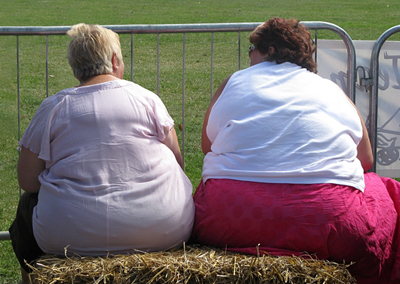
The number of people in the United Kingdom who are overweight or obese is starting to spiral out of control. Current statistics suggest that over 50% of British adults are overweight and many of these are at risk of becoming obese.

With a population becoming increasingly overweight the risks of heart disease, diabetes and other long term health complications are reaching scary heights.

Weight loss programmes range from diet based schemes like weight watchers, to self help books such as Dr Atkins diet to those that combine diet and exercise classes like Rosemary Conley’s eat yourself slim diet.

What are the risks associated with being overweight

As mentioned, being overweight can have a serious impact on our health. Some of the risks associated with obesity include

  • Heart Disease
  • High Blood Pressure
  • Cholesterol problems (leading to heart disease)
  • Stroke
  • Type 2 Diabetes (the kind you develop rather than are born with)
  • Cancers (prostate, gallbladder, colorectal, breast, endometrial and kidney)
  • Sleep Apnea (Snoring and difficulty breathing while sleeping)
  • Reproductive problems (irregular periods, increased birth defects, especially neural tube defects, and an increased risk of death of the mother and baby).

What diets are out there currently?

Currently, there are a huge abundance of ‘fad’ diets on the market. Very often these diets give us short term results and in the long term, many people actually put on more weight. The reason these fad diets work initially is because they make us dramatically cut the calories we consume so therefore we will naturally lose weight.

The problem with ‘fad’ diets is that they usually aren’t easy to maintain. As soon as you go back to your normal life, the weight generally goes back on.

The key to losing weight and keeping it off is to make the appropriate lifestyle changes and to stick to them. A diet low in fatty, processed foods and high in fruit and vegetables helps us maintain a healthy physique.

What role does exercise have in weight management?

When you exercise you burn calories. The more vigorous exercise you do, the more calories you burn and the more weight you lose. Current recommendations suggest that we should aim to do five thirty minute sessions of exercise per week. Ideally, we should aim to combine cardiovascular exercises like swimming, which help heart health, with weight-baring exercises such as squats or running which help to build strong joints.

Exercise, is not only key to weight management, other benefits include:

  • It helps you manage your mood – exercise triggers brain chemicals that make you feel good. Regular exercise is encouraged to combat depression.
  • You’ll feel more energetic
  • You’ll sleep better
  • If you do exercise with friends it can even be fun.

Maintaining a healthy weight helps ward off many serious illnesses. Just making a few small lifestyle changes involving diet and exercise can dramatically improve our health in the future.


8 ways to sleep like a baby

sleep well

Click this picture to view this article as a slideshow

Sleep has many important functions to keep us feeling healthy and happy. We all know the feeling after having a great night’s sleep. We are fresh and relaxed and ready to face the world. But equally, having a bad night’s sleep can leave us feeling moody and unhappy and can affect our performance throughout the day.

There are a whole range of sleep disorders that affect millions of people. These include sleep apnea, night cramps and insomnia (prolonged periods of poor sleep). Overcoming these problems is essential for optimum health so let’s have a look at some of the things you can start doing now to improve your ‘sleep hygiene’ and to get a great night’s sleep!

1) Have a bedtime – going to bed at the same time each night is important to help you get into a good bedtime routine. Your body will come to expect going to bed at this time and will, therefore, fall into a sleep much easier.

2) Keep your bedroom cool – a cool room is a much better environment to sleep in than one that is too hot and stuffy. Open your bedroom windows about an hour before you’re ready for bed to let some fresh air in. Of course, consider the outside weather when doing this!

3) Avoid caffeine-containing products four hours before bed – Tea and coffee, as well as some energy and soft drinks, contain lots of caffeine which can keep the mind active if taken too close to bedtime. Some people are particularly sensitive to this so if this is you then try to avoid these products up to four hours before bed.

4) Keep a notepad by your bed – as mentioned in the article on coping with stress, writing down your worries or concerns can help alleviate some of the stress. If your lack of sleep is because you are worried about something, write it down and then deal with it in the morning when you are feeling fresh and your mind is clear.

5) Don’t read or watch TV too close to bedtime – reading or watching TV before bed can stimulate the brain and keep it ticking over as you are trying to sleep.

6) Get plenty of exercise (but not too close to bedtime) – exercise can be a great way to help you unwind and rest easier. Be careful not to exercise too close to bed though, the increased body temperature may prevent you from getting your 40 winks.

7) Try a power nap – Sleeping during the day can mean that you aren’t very tired by night time. If you do feel tired in the daylight hours try going for a quick 15 minute power nap to give you a quick burst of energy that won’t keep you up all night.

8) Seek out a sleep expert – sometimes there may be an underlying reason behind your inability to sleep. Seeking help from a sleep expert may allow you to identify why you are having trouble sleeping and this can help you deal with the problem head on. There are specialist sleep clinics throughout the UK that can support you with this to help you get a great night’s sleep.

How much alcohol is too much?

alcohol-weight-loss-1

Have you ever thought about the effects of alcohol on your health?

For many of us alcohol is a part of our lives. We drink it when we socialise with friends, we consume it when we want to celebrate a special occasion and we drown our sorrows in it during difficult times.

Alcohol in moderation is fine and can actually have some health benefits. Certain varieties of red wine have been shown to contain the anti-oxidants resveratrol and catechins that may help protect artery walls. Alcohol can also boost HDL, the good cholesterol.

In very small amounts alcohol can be used as a relaxant but this isn’t encouraged.

Very often however alcohol is consumed in quantities that will do anything but make us healthy. The long-term effects of alcohol can have a huge impact on our health and wellbeing. Not only are we at increased risk of accidents and injury when we consume alcohol, prolonged consumption of excess alcohol can lead to weight gain, liver disease and a plethora of other serious ailments.

How many units can I drink?

The recommended daily and weekly intake of alcohol is different for men and women.

Women should not drink more than 2-3 units per day while men should drink no more than 3-4 units per day. It is also important to have alcohol free days to allow your body and liver to rest.

Regular alcohol use at levels greater than this can lead to long-term health risks.

Does alcohol contain any calories?

The answer is YES!

Many of us will diligently follow diet plans and fads in the hope of losing weight but will fail to take into account the amount of alcohol we consume.

A glass of wine is equivalent in calories to a packet of crisps. If you think about the amount of alcohol you consume over the course of a month, this can add a few more inches to your waistline.

Also, one of the short-term effects of alcohol intake is the dreaded hangover.

Hangover cures often involve the consumption of hundreds of calories in the form of high-fat breakfasts, milkshakes, and junk food, all adding to the calorific effect of alcohol consumption.

Tips to avoid drinking too much

  • In between drinking an alcoholic drink why not have something alcohol free? There are lots of premium soft and sparkling water drinks available that can be a welcome interlude from alcohol. This allows you to reduce the number of units you consume and you’ll appreciate this the next day.
  • Why not add some tonic water or lemonade to your wine or beer to create a wine spritzer or shandy? This way you will drink half as much as you normally would.
  • Go for low alcohol content drinks, avoid strong beers and wines as these will make you reach your units limit faster.
  • How about organising a social event with friends, which doesn’t involve alcohol? That way you will all have a chance to catch up properly and the next day you’ll remember all the funny stories and anecdotes.
  • If you will be drinking, try having it with a meal or after food. This way the alcohol will take longer to have its effect and you won’t drink as much.

7 ways to reduce your stress levels

6565907_s

Stress can have a major impact on your health. It can affect your concentration and mood. It can make you react in ways you normally wouldn’t and it can make you feel anxious and nervous. Stress can also affect us physically, causing us to feel tired and develop aches and pains. Dealing with stress is very important to our long-term health, but often people resort to alcohol, drugs or junk food. Not only does this have a negative impact on our health, it can also make the situation a lot worse. There are much better ways to deal with stress…

1. Learn to be happy in your situation – Many people become stressed because of the lifestyle situation they find themselves in. They may be unhappy in their job or relationship and may feel that they are missing out on something. Learning to accept how things are is one of the best ways to start dealing with stress. Once you are content, you can focus on being happy.

2. Surround yourself with close friends and family – Having a support network around you that has your best interests at heart is very important if you’re feeling stressed. Knowing that others are there to support you really does help you to see things in a different light.

3. Get out and exercise – As mentioned earlier, exercise is a great stress-reliever. Exercise makes the body release ‘feel-good’ endorphins that can dramatically reduce stress. Make exercise a part of your day-to-day life and your stress will vanish.

4. Watch what you eat – The food we put into our body can affect our mood and our response to stress. Make sure you eat a well-balanced diet, low in junk food and high in nutritious fruit and vegetables. Eating healthily means you maintain a healthy weight and your body and organs function at their best, helping you feel better and more relaxed.

5. Take time out for yourself – During stressful periods it’s important to find time to rest and relax. Dance around to your favourite music or have a bath with some luxury bubble bath. Whatever it takes to forget your worries!

6. Write down your worries – People who are stressed often feel that they can’t ‘turn off’. If this sounds familiar, try writing down what is stressing you out. Just seeing it on paper sometimes reveals new ways of dealing with it. At the very least, it might clear your head.

7. Do something for others – Focusing on something other than yourself can sometimes help you feel less stressed.Try doing voluntary work or helping a friend in need.

Six Ways to beat cold and flu this winter

cold_flu

The days are shorter and darker, the weather is wet and cold and many of us will be susceptible to the cold and flu. So what can we do to beat the flu this winter?

1. Vitamins and minerals

Vitamin C and zinc have been proven to help your body strengthen its defence mechanisms to fight off the bacteria and viruses that can cause colds and the flu.
If you have a well balanced diet full of fresh fruit and vegetables you will really support your body to fight off illness. If, however, you find that getting your five a day isn’t possible why not try vitamin supplements. These are available as tablets, effervescent tablets or liquids.

2. Get the flu Vaccine

The flu vaccine is particularly important for certain more vulnerable groups. People who should get the flu vaccine include the elderly, those people with a pre-existing illness and pregnant women. There is a myth that the flu vaccine can cause the flu. This isn’t possible so don’t let it put you off. You’ll be thankful you had the vaccine when you keep well through the winter months.

3. Cover your mouth and nose

If you do develop a cough or a sniffle, think of those around you. Use a clean disposable tissue and throw this away immediately after using. A simple act of covering your cough or sneeze can prevent the cold being spread to those close to you.

4. Wash your hands thoroughly

After sneezing or coughing it’s important to wash your hands thoroughly using soap and warm water to ensure you get rid of all the germs that may have deposited. Carry alcohol wipes or gels to use when it isn’t possible to wash your hands properly. Also, wash your hands after shaking hands with strangers, as you cannot be sure what germs they may have.

5. Quit smoking

Smoking changes the lining of the airways so smokers are more susceptible to developing a cold or flu. It can also weaken the defence mechanisms your body uses to fight off infection making you more susceptible to ill health.

6. Get a good night sleep

Rest is essential as it allows your body to develop a strong defence system. Getting eight hours sleep a night will keep your body fighting fit and ready to protect you from illness. Read our article on how to sleep like a baby.

Winter Health

4_065_ColdFluRescue

As we move into the colder winter months the incidence of the cold and flu will increase. For many this will mean a few days of bed rest but for the elderly and those with other medical conditions it can have much more serious consequences.

So, how do you know if you have a cold or the flu?

The symptoms of a cold are similar to that of the flu, although anyone suffering from the flu will find that these symptoms are more severe. Many people can go about their day-to-day activities if they just have a cold. Those who have the flu will be bedridden and won’t be able to leave the house; such is the impact that the flu has on the body.

What symptoms will you notice with a cold or the flu?

As mentioned, the symptoms of a cold and the flu are similar and include:

  • Chesty (productive) or dry (tickly) cough
  • Stuffy, congested nose
  • Aches and pains
  • Lethargy

How can you avoid a cold or the flu?

Vitamins and minerals can have some benefit in speeding up your recovery from a cold or the flu. Vitamin C and zinc have been shown to slightly reduce the severity of a cold but will not cure it.

Flu vaccine

The flu vaccine is recommended for anyone over 65 years of age, those with other medical conditions and pregnant women. The reason the flu vaccine is effective is because it introduces a small amount of an inactivated virus into your body, which then allows your body to recognize and fight the flu virus if you become infected again. The flu vaccine doesn’t cause the flu but you may experience a slight increase in temperature and have a few aches after having the vaccine but these are only very short term.

What if you do get a cold?

If you still manage to get a cold there are a number of things you can do to treat the symptoms. Some of these include:

Chesty cough – try an expectorant cough bottle e.g. something containing guaifenesin

Dry cough – a cough suppressant e.g. pholcodine, is usually effective

Stuffy, congested nose – try a decongestant tablet containing pseudoephedrine or a nasal spray containing xylometazoline

Aches and pains – paracetamol is effective for treating aches and pains and reducing temperature. Ibuprofen is good for any inflammatory or muscular pain.

Many of the over-the-counter pharmacy medicines used to treat cold and flu symptoms are not suitable for those people with medical conditions such as diabetes and high blood pressure so always ask your pharmacist for advice if you are taking other medications.

8 ways to eat better

HE_fruits-vegetables-heart-shape_s4x3_lead Knowing what foods to eat to support your health is an essential part of living a long and happy life. We live in a world of convenience, filled with fast food restaurants and junk food. It often seems like the easiest option is to reach for the high-fat snacks, but have you thought about what this could be doing to your wellbeing? What we eat can affect how we look and feel – and many junk foods have been linked to serious illnesses. Being conscious of what we are eating can make a massive difference to our long-term health. So, how can you get the most from your food?

1. Go organic – To avoid harmful chemicals and hormones, you should choose organic varieties of foods. Organic food supports your health. As it becomes more popular, it is also becoming more affordable.

2. Organise a meal plan – Planning ahead is planning to succeed. Just take a little time each week to plan your meals. This way you only buy the food you need and can plan healthy meals in advance.

3. Choose fish – Fish is a great low-fat, high-protein food choice. You should aim to eat fish three or four times per week if possible. Fish oils have also been linked to increased brain function, a healthy heart and supple joints.

4. Choose wholegrain – Wholegrain varieties of popular food items, including breads and pastas, can help put off hunger for longer as they help to keep us feeling full. They also ensure we don’t have the sugar spikes that can result from the refined alternative.

5. Cut out the salt – Salt is packed into so many foods nowadays that it’s easy to exceed the recommended daily amount. This can have a huge impact on our blood pressure, possibly leading to heart disease.

6. Get your five-a-day – Eating your five-a-day of fruit and vegetables will ensure you get all the essential vitamins and minerals your body needs to function at its best. Try to vary the fruit and veg that you eat so that you get a wide range of different vitamins.

7. Explore supplements – Sometimes it isn’t always possible to get all the vitamins you need through diet alone. Vitamin supplements can also support a healthy lifestyle. Consult a diet expert to find out what vitamins you are lacking and what support you may need.

8.Eat your breakfast – Evidence suggests that people who eat a balanced breakfast are less likely to over- eat throughout the rest of the day. So start the day with a healthy breakfast like porridge with honey, or scrambled egg on whole-grain toast. Be prepared – One of the best ways to avoid snacking is to keep a selection of fruit and nuts in your bag for whenever hunger strikes.

How much sugar is too much?

sugar2

Anyone who knows me will know that I have a massive sweet tooth!

I’m a particular fan of mints and chocolate but have a soft spot for those really tangy, sour jelly sweets too! As much as I love these sweet treats I am fully aware that they can’t be good for me in the long run. Too much sugar has been linked to the growing obesity epidemic as well as many health conditions like diabetes and dental decay.

Obesity4354-5741334

And I’m not the only one to worry about my sugar habit.

On the 5th March 2014, the World Health Organisation (WHO) launched a public consultation so that it could review its guidelines on sugar intake.

Sugar is also a “hidden ingredient” in lots of foods and drinks so we may be consuming even more than we think.

ketchup

Did you know that 1 tablespoon of tomato ketchup contains 4-grams of sugar? Or that many of the fruit juices we might assume are healthy are also packed full of sugar?

In 2002, the WHO recommended that, “sugars should make up less than 10% of total energy intake per day.” In this latest consultation they are suggesting that reducing our sugar intake to less than 5% of total energy intake per day “would have additional benefits.”

It is hoped that these new guidelines will encourage food manufacturers to reduce the amount of sugar they use in their products and will also mean that nutritional labels will have to be clearer about the amount of sugar present.

Here are my 5 tips to help you start reducing your sugar intake today:

1. Make sure you have breakfast

Eating a healthy breakfast everyday will help to prevent sugar cravings later in the day. Opt for porridge or whole meal toast with poached egg to satisfy your hunger.

2. Avoid having sugary snacks at home

When it comes to sweets if they are in sight then I will eat them! I have found that the best way to reduce my sugar intake is to avoid keeping sweet treats at home. It makes it easier to avoid temptation.

3. Eat foods with a low glycemic index

Low GI foods release energy over a longer period of time so you won’t experience those sugar highs and lows. Nuts and raisins, apples and pears all have a low GI so are a good choice for snacking on.

4. Cook from scratch avoiding processed foods

If you cook using fresh ingredients then you know exactly how much sugar is in the food you are eating. Processed foods and ready meals are packed full of hidden sugar so are best avoided.

5. Cut out the fizzy drinks

Lots of fizzy drinks are loaded with sugar. Try replacing fizzy drinks with sparkling water and a slice of lemon.