
Click this picture to view this article as a slideshow
Sleep has many important functions to keep us feeling healthy and happy. We all know the feeling after having a great night’s sleep. We are fresh and relaxed and ready to face the world. But equally, having a bad night’s sleep can leave us feeling moody and unhappy and can affect our performance throughout the day.
There are a whole range of sleep disorders that affect millions of people. These include sleep apnea, night cramps and insomnia (prolonged periods of poor sleep). Overcoming these problems is essential for optimum health so let’s have a look at some of the things you can start doing now to improve your ‘sleep hygiene’ and to get a great night’s sleep!
1) Have a bedtime – going to bed at the same time each night is important to help you get into a good bedtime routine. Your body will come to expect going to bed at this time and will, therefore, fall into a sleep much easier.
2) Keep your bedroom cool – a cool room is a much better environment to sleep in than one that is too hot and stuffy. Open your bedroom windows about an hour before you’re ready for bed to let some fresh air in. Of course, consider the outside weather when doing this!
3) Avoid caffeine-containing products four hours before bed – Tea and coffee, as well as some energy and soft drinks, contain lots of caffeine which can keep the mind active if taken too close to bedtime. Some people are particularly sensitive to this so if this is you then try to avoid these products up to four hours before bed.
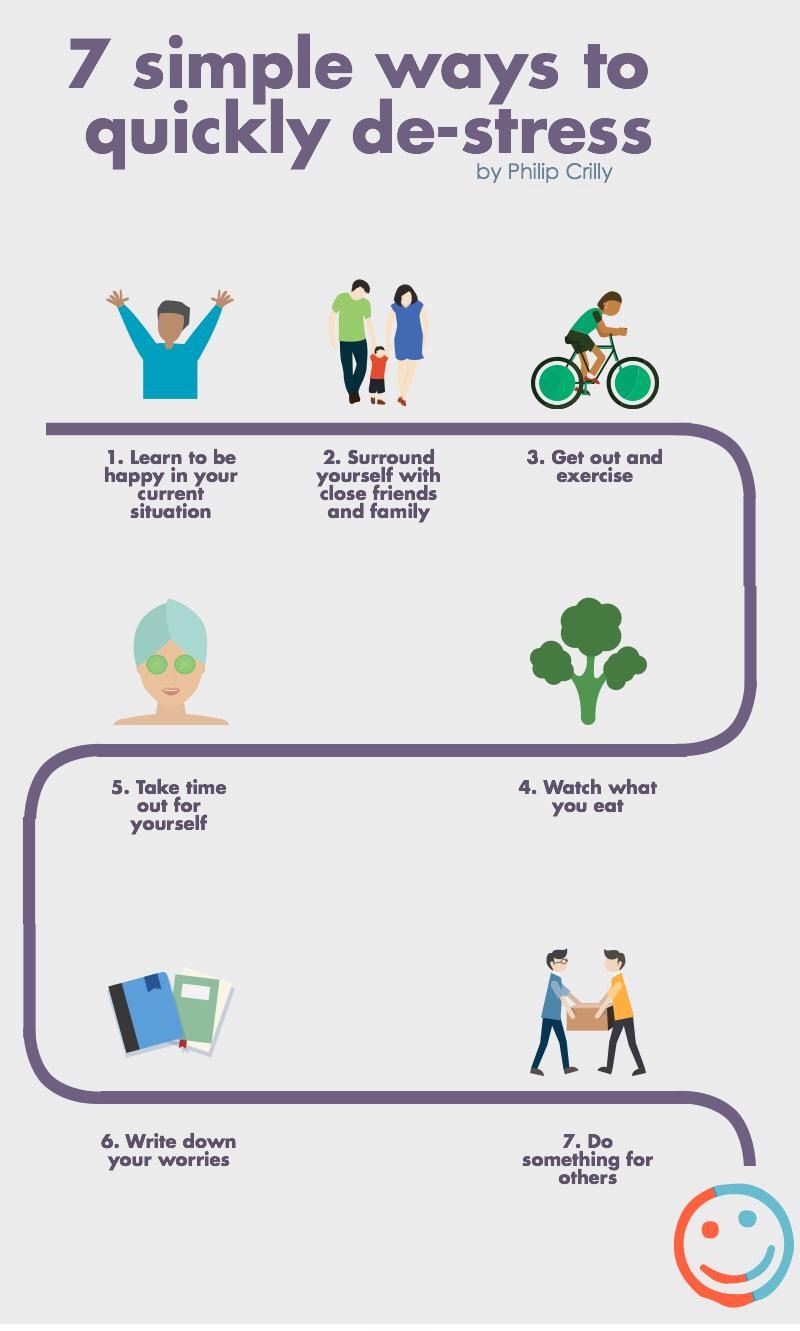
4) Keep a notepad by your bed – as mentioned in the article on coping with stress, writing down your worries or concerns can help alleviate some of the stress. If your lack of sleep is because you are worried about something, write it down and then deal with it in the morning when you are feeling fresh and your mind is clear.
5) Don’t read or watch TV too close to bedtime – reading or watching TV before bed can stimulate the brain and keep it ticking over as you are trying to sleep.
6) Get plenty of exercise (but not too close to bedtime) – exercise can be a great way to help you unwind and rest easier. Be careful not to exercise too close to bed though, the increased body temperature may prevent you from getting your 40 winks.
7) Try a power nap – Sleeping during the day can mean that you aren’t very tired by night time. If you do feel tired in the daylight hours try going for a quick 15 minute power nap to give you a quick burst of energy that won’t keep you up all night.
8) Seek out a sleep expert – sometimes there may be an underlying reason behind your inability to sleep. Seeking help from a sleep expert may allow you to identify why you are having trouble sleeping and this can help you deal with the problem head on. There are specialist sleep clinics throughout the UK that can support you with this to help you get a great night’s sleep.

 Dr Philip Crilly