
Managing your weight

obese-women4001

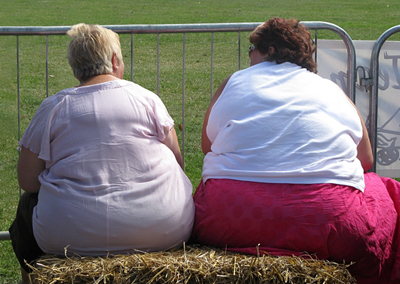
The number of people in the United Kingdom who are overweight or obese is starting to spiral out of control. Current statistics suggest that over 50% of British adults are overweight and many of these are at risk of becoming obese.

With a population becoming increasingly overweight the risks of heart disease, diabetes and other long term health complications are reaching scary heights.

Weight loss programmes range from diet based schemes like weight watchers, to self help books such as Dr Atkins diet to those that combine diet and exercise classes like Rosemary Conley’s eat yourself slim diet.

What are the risks associated with being overweight

As mentioned, being overweight can have a serious impact on our health. Some of the risks associated with obesity include

  • Heart Disease
  • High Blood Pressure
  • Cholesterol problems (leading to heart disease)
  • Stroke
  • Type 2 Diabetes (the kind you develop rather than are born with)
  • Cancers (prostate, gallbladder, colorectal, breast, endometrial and kidney)
  • Sleep Apnea (Snoring and difficulty breathing while sleeping)
  • Reproductive problems (irregular periods, increased birth defects, especially neural tube defects, and an increased risk of death of the mother and baby).

What diets are out there currently?

Currently, there are a huge abundance of ‘fad’ diets on the market. Very often these diets give us short term results and in the long term, many people actually put on more weight. The reason these fad diets work initially is because they make us dramatically cut the calories we consume so therefore we will naturally lose weight.

The problem with ‘fad’ diets is that they usually aren’t easy to maintain. As soon as you go back to your normal life, the weight generally goes back on.

The key to losing weight and keeping it off is to make the appropriate lifestyle changes and to stick to them. A diet low in fatty, processed foods and high in fruit and vegetables helps us maintain a healthy physique.

What role does exercise have in weight management?

When you exercise you burn calories. The more vigorous exercise you do, the more calories you burn and the more weight you lose. Current recommendations suggest that we should aim to do five thirty minute sessions of exercise per week. Ideally, we should aim to combine cardiovascular exercises like swimming, which help heart health, with weight-baring exercises such as squats or running which help to build strong joints.

Exercise, is not only key to weight management, other benefits include:

  • It helps you manage your mood – exercise triggers brain chemicals that make you feel good. Regular exercise is encouraged to combat depression.
  • You’ll feel more energetic
  • You’ll sleep better
  • If you do exercise with friends it can even be fun.

Maintaining a healthy weight helps ward off many serious illnesses. Just making a few small lifestyle changes involving diet and exercise can dramatically improve our health in the future.

 

How much alcohol is too much?

alcohol-weight-loss-1

Have you ever thought about the effects of alcohol on your health?

For many of us alcohol is a part of our lives. We drink it when we socialise with friends, we consume it when we want to celebrate a special occasion and we drown our sorrows in it during difficult times.

Alcohol in moderation is fine and can actually have some health benefits. Certain varieties of red wine have been shown to contain the anti-oxidants resveratrol and catechins that may help protect artery walls. Alcohol can also boost HDL, the good cholesterol.

In very small amounts alcohol can be used as a relaxant but this isn’t encouraged.

Very often however alcohol is consumed in quantities that will do anything but make us healthy. The long-term effects of alcohol can have a huge impact on our health and wellbeing. Not only are we at increased risk of accidents and injury when we consume alcohol, prolonged consumption of excess alcohol can lead to weight gain, liver disease and a plethora of other serious ailments.

How many units can I drink?

The recommended daily and weekly intake of alcohol is different for men and women.

Women should not drink more than 2-3 units per day while men should drink no more than 3-4 units per day. It is also important to have alcohol free days to allow your body and liver to rest.

Regular alcohol use at levels greater than this can lead to long-term health risks.

Does alcohol contain any calories?

The answer is YES!

Many of us will diligently follow diet plans and fads in the hope of losing weight but will fail to take into account the amount of alcohol we consume.

A glass of wine is equivalent in calories to a packet of crisps. If you think about the amount of alcohol you consume over the course of a month, this can add a few more inches to your waistline.

Also, one of the short-term effects of alcohol intake is the dreaded hangover.

Hangover cures often involve the consumption of hundreds of calories in the form of high-fat breakfasts, milkshakes, and junk food, all adding to the calorific effect of alcohol consumption.

Tips to avoid drinking too much

  • In between drinking an alcoholic drink why not have something alcohol free? There are lots of premium soft and sparkling water drinks available that can be a welcome interlude from alcohol. This allows you to reduce the number of units you consume and you’ll appreciate this the next day.
  • Why not add some tonic water or lemonade to your wine or beer to create a wine spritzer or shandy? This way you will drink half as much as you normally would.
  • Go for low alcohol content drinks, avoid strong beers and wines as these will make you reach your units limit faster.
  • How about organising a social event with friends, which doesn’t involve alcohol? That way you will all have a chance to catch up properly and the next day you’ll remember all the funny stories and anecdotes.
  • If you will be drinking, try having it with a meal or after food. This way the alcohol will take longer to have its effect and you won’t drink as much.

Changes to alcohol unit guidelines in the UK – January 2016

Video

Changes to alcohol unit guidelines in the UK
January 2016

You may have heard the news recently that the UK government has made changes to the advice it gives on drinking alcohol.

Whereas before men were advised that they could drink more alcohol than women (21 units for men, 14 units for women), this has now changed. Men and women are now advised that they should each drink a maximum of 14 units of alcohol per week.

In addition, the guidelines suggest that these units should be spread across at least 3 or more days per week and that you should include regular alcohol-free days

Binge drinking is also not advised; it has been associated with a greater risk of short term health problems, like the dreaded hangover, as well as the longer term risks of causing certain cancers.

For pregnant women the advice is not to drink alcohol at all.

Some tips on keeping on top of your alcohol:

• When drinking, try to do so with a meal
• Have a glass of water or a soft drink in between alcoholic drinks
• Try some alcohol-free alternatives

Further reading

The drinkaware fact sheet about the new alcohol unit guidelines:
https://www.drinkaware.co.uk/check-the-facts/what-is-alcohol/new-government-alcohol-unit-guidelines#guidelines

The drink aware App can help you to keep track of your drinking: https://www.drinkaware.co.uk/app

How to calculate a unit of alcohol
http://www.nhs.uk/Livewell/alcohol/Pages/alcohol-units.aspx

Government link to new alcohol guidelines:
https://www.gov.uk/government/news/new-alcohol-guidelines-show-increased-risk-of-cancer

BBC news article on the new alcohol guidelines:
http://www.bbc.co.uk/news/uk-35252650

NHS guidance on new alcohol guidelines and how to manage your drinking:
http://www.nhs.uk/news/2016/01January/Pages/New-alcohol-advice-issued.aspx

UK Chief Medical Officer, Summary of proposed guidelines:

Click to access summary.pdf